Beginner
Air Quality & PM2.5
Understand particulate matter, how AQI is measured, and why Skopje's valley geography traps pollutants during winter inversions.
25 min5 lessons
Launch SimulationOur interactive learning modules are inspired by the PhET simulation approach: hands-on, visual, and deeply engaging. Explore environmental topics specific to Skopje and the broader Balkan region.
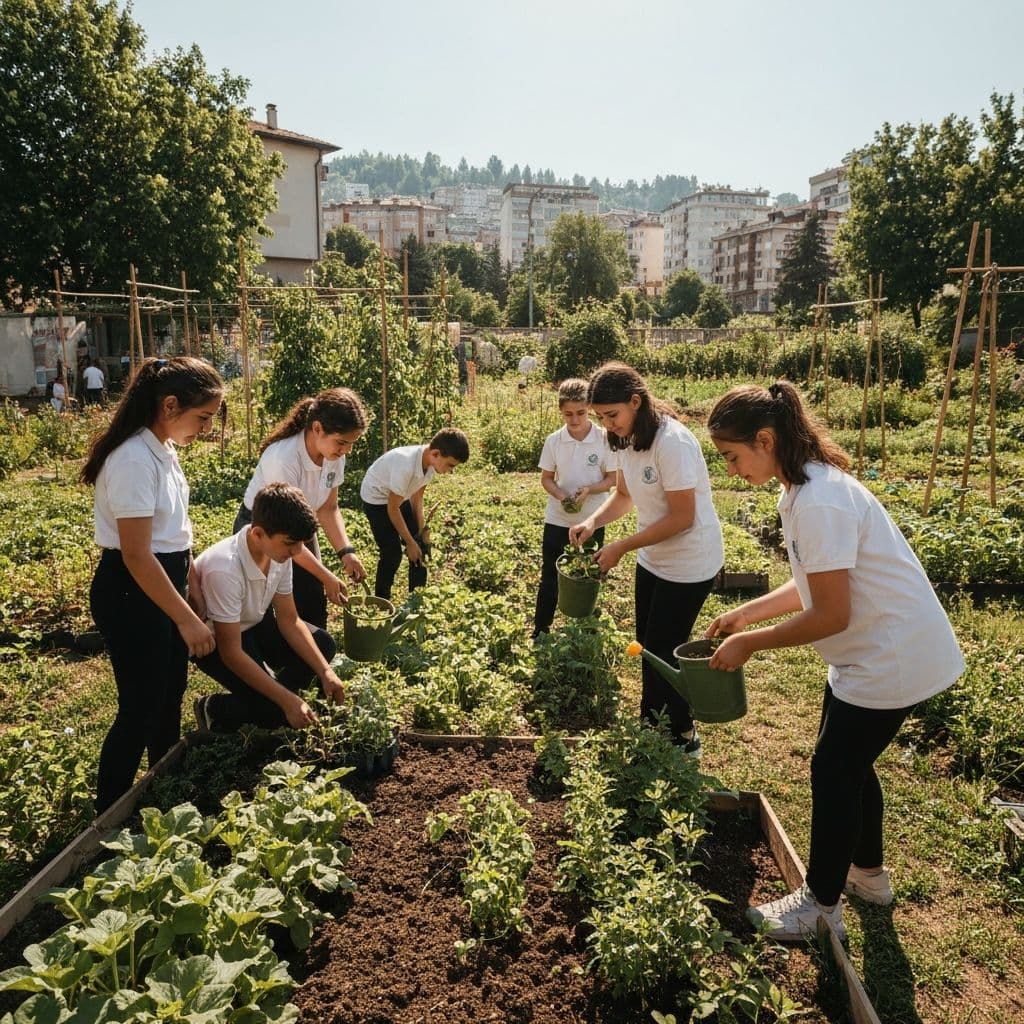
Each module combines guided lessons with interactive simulations, allowing you to manipulate variables and observe outcomes in real time.
Understand particulate matter, how AQI is measured, and why Skopje's valley geography traps pollutants during winter inversions.
Explore why Skopje's valley geography and winter temperature inversions create some of Europe's worst air pollution episodes.
Simulate how concrete, vegetation, and building density affect temperature distribution across Skopje's municipalities.
Explore the Vardar watershed, water quality parameters, and the impact of urban runoff on aquatic biodiversity.
Follow the journey of household waste through collection, sorting, recycling, and landfill in the Skopje system.
Analyze solar, wind, and hydroelectric potential for the Skopje region using real geographical and meteorological data.
Learn about the ecological value of Skopje's parks, Vodno forest, and green corridors for biodiversity and citizen well-being.
Adjust the variables below to see how traffic, green space, and heating methods affect Skopje's air quality index.
This simplified model demonstrates how traffic, green infrastructure, and heating fuel choices interact to influence urban air quality.